
Why Don’t I Feel Like Myself?
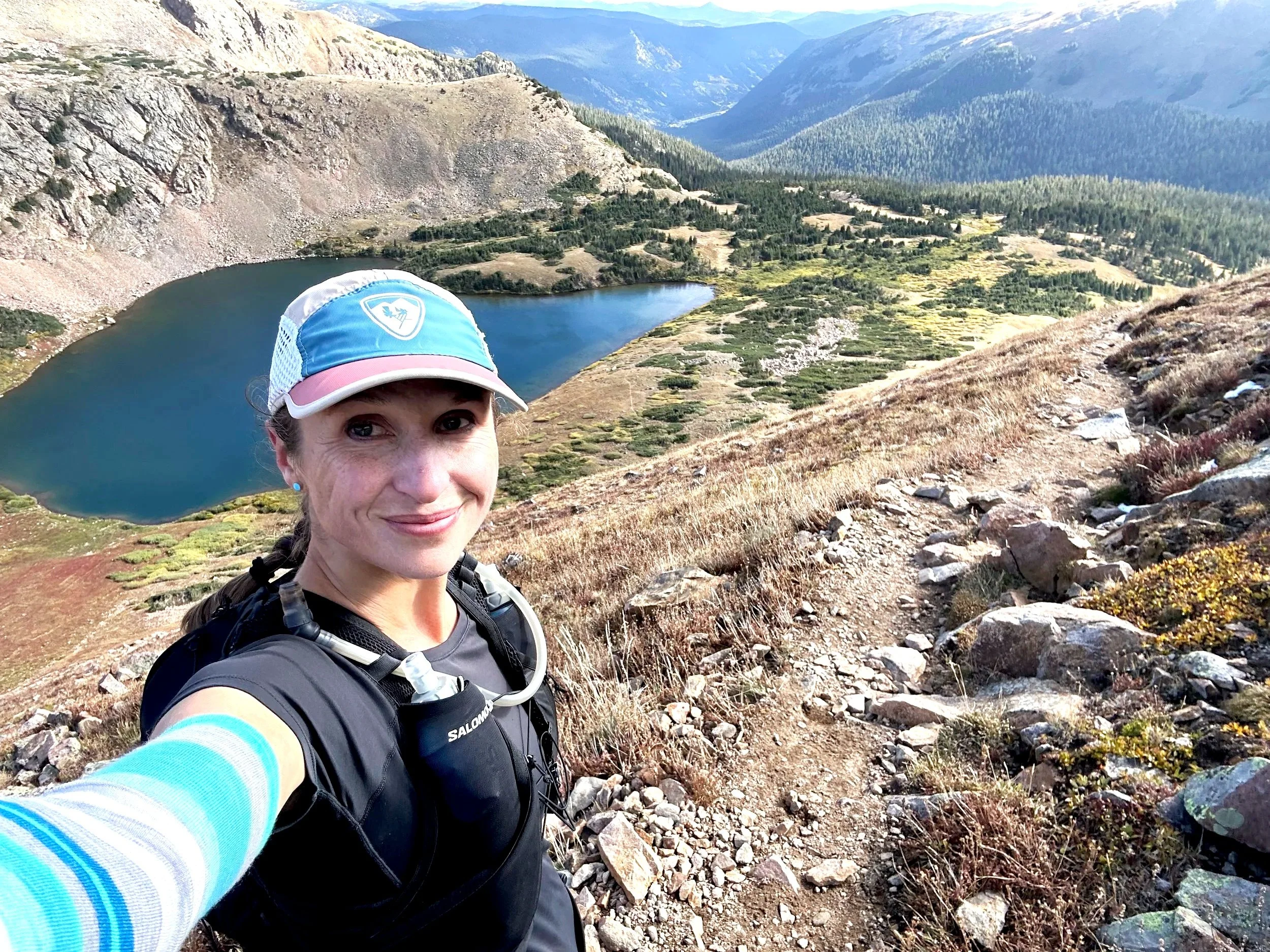
I’m not myself. I usually run almost every day, alone in the dark before work and with friends on the weekends, always with multiple races or adventures planned. Running is my primary mental and social outlet, and I haven’t been able to lean on it for about a year, though the downward trend started even earlier. In April 2024, at 13 months postpartum, I ran a hard earned 3:11 at the Eugene Marathon. Soon after I crossed the finish line I headed for a bathroom and had my first experience with bloody stool. I wrote it off as runner’s colitis from an intense effort after a long time away from road marathons. The following months were trail-focused. I completed the Leadville Marathon in June, then started training for Rim-to-Rim-to-Rim in the Grand Canyon, which I did in October. Three weeks later, with a handful of road runs and no speed work, I ran the Indianapolis Monumental Marathon in 3:14. It probably would have been more like 3:10 or 3:12 except for an alarming mid-race bathroom stop and subsequent fatigue. Again, I chalked it up to runner’s colitis due to a lack of road-specific training. I now mark this as the turning point that indicated something was wrong. It would take me a year to figure out what it was.
I felt sluggish the rest of the fall and into the winter. Two hour runs felt abnormally hard and I couldn’t get through them without ducking behind a bush. By February, my energy levels tanked. I could barely get through the day without a nap but no amount of sleep or caffeine could pull me out of my rut. A friend suggested I check my iron levels, since iron is crucial in energy production and muscle function. Specifically, I needed to check my ferritin, the protein that stores and releases iron. My ferritin measured 59 ng/mL. A normal range for women is above 50 ng/mL, so clinically I wasn’t low, but since I live and run at 7,700ft elevation, an optimal range for me is likely 70-100 ng/mL. I decided that my veganism and a general lack of calories were contributing to my subpar ferritin and general fatigue, so I overhauled my diet by increasing food intake and reintroducing some animal protein. It felt good to eat eggs and salmon again, and I felt better for a while. I was able to do long trail runs in the spring, but crushing fatigue returned in time to destroy my summer running plans. I muscled through a few trail races, happy to be on the dirt but frustrated that I wasn’t able to display the fitness I knew I had. For better or worse my identity is so closely linked to being a runner that this sudden dip in performance triggered an athletic existential crisis. Was I just getting older? Should I stop trying to be competitive?
Followup bloodwork mid-summer gave me validation and explained why my high altitude races didn’t go well. My ferritin had dropped from 59 to 30 ng/mL in just 4 months. I wasn’t anemic, since my hematocrit and circulating iron were normal, but low ferritin can indicate that anemia is around the corner. My B12 and vitamin D were also suboptimal, though not clinically low. I started supplementing and broadened my animal protein consumption. I was diligent and hopeful, but now more cautious with my running. I was sure that if I played it safe and stayed patient for a little while, I’d be able to register for some late fall ultras to end the year on a high note. My goal posts were usually races, but now I had a different focus: boost my ferritin. I stopped saying “yes” to high alpine adventures and didn’t allow myself to think beyond the next 8 weeks when I would do more bloodwork. Aside from a weeklong trip to Chamonix, France, to spectate at UTMB and enjoy a modest amount of trail running, my early fall was lackluster. I could run, but I was just going through the motions, never feeling the “I love this!” or “I could do this forever!” feelings that are familiar toward the end of trail season. Ferritin can increase by 10-20 ng/mL in 8-12 weeks and I was expecting it to at least be at 40, maybe higher if I was lucky. When my lab results came back showing my ferritin had only risen from 30 to 31 ng/mL, I was dumbfounded. I was doing everything right: reduced mileage, consumed more iron, and supplemented every other night with Vitamin C. At least my ferritin didn’t decrease, but why wasn’t it increasing more?
I was beyond the point of figuring this out on my own. I had sought the counsel of a dietitian in the spring, but with these new lab results plus inescapable fatigue, I decided to make an appointment with a naturopath. I went in armed with a spreadsheet detailing all of the labs I’d done and a timeline of symptoms. Our first visit was a thorough 90 minute conversation that covered everything from bloody stool to the possibility of entering perimenopause. We did some labs, discussed a few reasonable dietary shifts including reducing the caffeine on which I’d become so dependent, and did a GI map to investigate whether my stool could reveal any information about what was going on in my body. Among other things, those results suggested an autoimmune disease. I continued to run, and by the end of October as I switched from soft trails to intestine-jostling roads, I was noticing blood in my stool after most runs, including easy 5 mile jaunts. Seeing a gastroenterologist became urgent. Losing so much blood was unnerving and at odds with my ferritin-boosting efforts, so I finally pulled the plug on running. Riding my bike on the indoor trainer didn’t seem to bother my gut, so I spent the next 6 weeks earning QOMs and smashing personal bests on my trusty TT bike. It had been a long time since I felt like I could push my body, and it felt good to work hard. I ached to be outside running with my friends, but this was better than nothing.
In the weeks between seeing a PCP and gastroenterologist, I went back to my naturopath for a followup and more labs. My ferritin was still an annoyingly low 33 ng/mL, but the bombshell was the celiac panel that my naturopath ordered. The lab results were in black and white: serologic evidence for celiac disease is present. The numbers weren’t borderline, they were definitive. Celiac disease is an autoimmune disorder that causes the body to attack the small intestine when gluten is present. Gluten is a protein found in wheat, barley, and rye, and I consumed it daily in foods like bread and pasta. Celiac-induced damage to the small intestine can cause a variety of symptoms, including fatigue, anemia, low B12, and a host of gastrointestinal issues. By the time I had this information, I had about a week to wait to visit a gastroenterologist. My naturopath instructed me to continue consuming gluten so damage would show up on a forthcoming biopsy. By a stroke of luck I spent most of that week at home in Indiana, so I was able to delight in my mom’s homemade apple pie and savor my favorite hometown pizza one last time, knowing that during future visits those delicacies would no longer be a part of my diet.
A few days after I returned to Colorado from Indiana, I had my much anticipated visit with the gastroenterologist. She took one look at my celiac panel and told me to stop eating gluten immediately because my numbers were so high. I was relieved that I didn’t need to keep consuming the thing I knew was making me sick, and felt empowered and motivated to start healing my body. I scheduled my endoscopy and colonoscopy on the spot, and was overjoyed that I would only need to wait 10 days before the procedures. I doubt the schedulers have ever seen anyone so excited for a colonoscopy! The small intestine biopsy did not find evidence of damage indicative of celiac disease, which left me feeling hopeless and invalidated until I learned that damage can be patchy and biopsies can easily miss affected areas, especially if you catch the disease early. Investigation of my lower intestines revealed two small polyps, one of them precancerous, and small hemorrhoids that were likely a downstream effect of iron supplementation, and a probable cause of my run-induced bleeding. No obvious inflammation was present and I got the green light from my gastroenterologist to run again.
Now that I have some clarity about why I was feeling so bad, and all invasive procedures are behind me, I can gaze ahead at 2026 with confidence that I’ll pull myself out of this celiac hole. My digestion improved within weeks of eliminating gluten, and I have hope that my body is actually absorbing the nutrients I am feeding it. I’m easing back into running, every other day and mostly on my treadmill’s forgiving surface. I know the progression won’t be as linear and predictable as I’d like it to be, but every day I put on my running shoes is a day I feel more like myself again.